

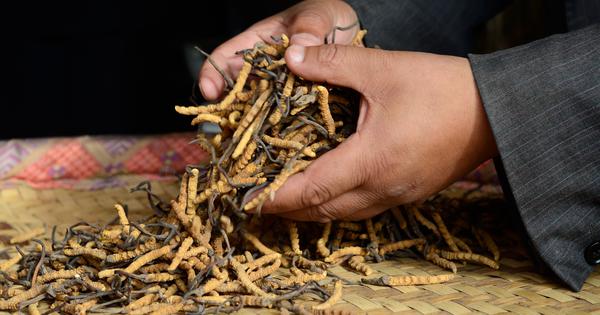
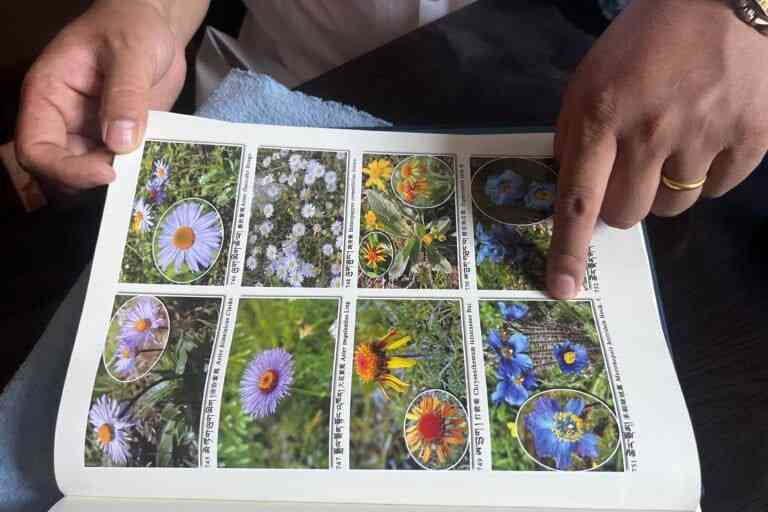
Gyatso Bista remembers the sacks of kutki. As a child learning to become a healer in Nepal’s kingdom of Lo Manthang, Bista would watch as heaps of the bitter-tasting herb, prized for treating fever, coughs and liver problems, arrived on horseback from the surrounding mountains.
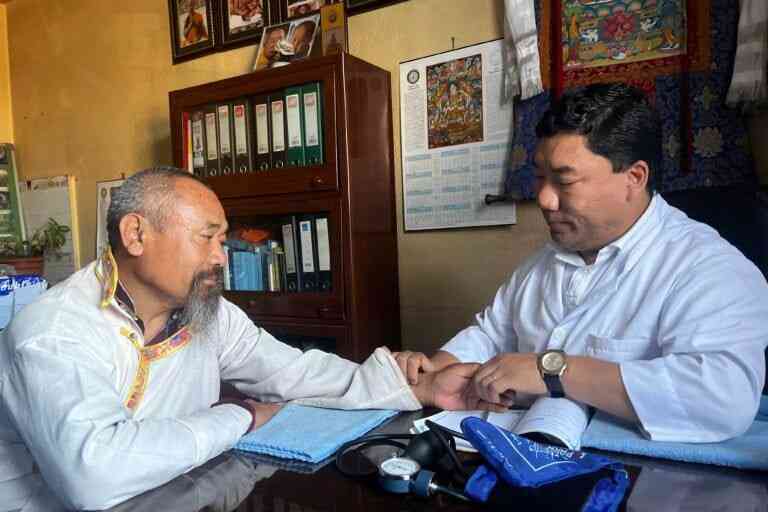
Bista is one of the few remaining practitioners of Sowa Rigpa, an ancient Tibetan healing system used for more than 2,500 years.
He remembers harvests of up to 40 kg of the high-altitude herb. But now, the kutki (Picrorhiza scrophulariiflora) has all but vanished. “Now you barely find 5 kg,” Bista said.
What Bista has witnessed in his village reflects a global crisis. More than 80% of the world’s population relies on traditional medicine for their primary health care. Yet across every inhabited continent, plants that form the backbone of traditional healing are in decline, pushed out by rising temperatures, shifting rainfall, deforestation and overharvesting.
“For many common illnesses, these traditional remedies are really our first aid,” Mingay Dakias, a member of the Manobo-Dulangan Indigenous community in the southern Philippines, told Mongabay. “We usually rely on these treatments first.”
A recent global review published in Frontiers in Pharmacology found that of 367 medicinal plant species studied over the past two decades, climate change has reduced suitable habitats for 106 species. Another 94 species are shifting to new locations. And 33 species face extinction and habitat loss.
The statistics tell a story, and that story has many local faces. In Panama, Indigenous midwives say birthing herbs are becoming harder to find. Across the Himalayas, traditional healers report climbing to increasingly higher altitudes to find medicinal herbs that once grew in the valleys below. In Ghana, practitioners of traditional medicine watch as drought destroys the plants they have used for generations as first aid.
This story is based on both recent research and compiling local stories and accounts Mongabay has covered since 2020.
Weather fever
“Climate change is altering the chemistry of nature,” Olha Mykhailenko, an associate professor who studies medicinal plants at the National University of Pharmacy in Ukraine, told Mongabay.
Mykhailenko calls this change “weather fever”. Extreme heat, unpredictable rain and prolonged drought change not just where plants grow, but what they produce.
The medicinal properties of plants come from the chemical compounds the plant produces. Plants experiencing unusual heat, drought or carbon dioxide levels may respond by altering their phytochemical profile (the mixture and balance of internal chemicals), which can cause a change in the plant’s medicinal properties.
“In southern France and Italy, lavender and rosemary are suffering from excessively hot and dry summers,” Mykhailenko said. “As a result, the chemical composition of the oil’s components changes. The oil exhibits a decrease in linalool and an increase in camphor. This alters their aroma and even medicinal properties.”
The Frontiers review documented similar shifts across several species. High temperatures reduced the levels of medicinal compounds in pennyroyal (Mentha pulegium). Drought increased certain chemicals in olive trees (Olea europaea) while decreasing others.
“What patients expect from an herbal remedy may not always correspond to reality,” Mykhailenko said. “And all because of environmental factors.”
Plants are also shifting in time and space, moving to higher elevations or blooming later or earlier in the year.
In Bista’s corner of the Himalayas, rising temperatures and shifting rainfall patterns have advanced the flowering and fruiting of key medicinal species by 15-30 days.
Such changes in timing can mean that traditional harvesting practices, often rooted in cultural and spiritual traditions, no longer align with when plants are ready to harvest.
Plants also move geographically over generations, a phenomenon known as range shift. As temperatures warm, some species are moving to higher elevations where temperatures are cooler. But for species that already grow at higher elevations, this can leave them with nowhere to go.
“Many mountain herbs grow in the Alps. For example, Arnica montana and Gentiana lutea climb higher up the slopes, sometimes hundreds of metres, in search of a cooler microclimate, losing suitable habitats along the way,” Mykhailenko said.
“The question is no longer whether these changes will affect human health,” Mykhailenko said, “but how quickly we can adapt our science and practice to preserve the plants that have healed us for centuries.”
Scientists in their own right
The loss of traditional medicines severs a cord with both the past and the future, a cultural link to the past and a source of future medicines, say community members who spoke to Mongabay.
More than 70% of pharmaceuticals are derived from natural compounds, including traditional medicines. Researchers are increasingly finding scientific evidence for what some healers have long known.
In Samoa, for example, scientists worked with traditional healers to study matalafi, a remedy made from the leaves of a small tropical tree (Psychotria insularum). They found the plant’s compounds reduced inflammation as effectively as ibuprofen.
“These people didn’t just sit around and think, ‘Oh, well, we’ll try that leaf,’” said Seeseei Molimau-Samasoni, a Samoan biologist who led the research. “They spent years of trial and error, testing the best combinations of plants and preparation methods.”
Gaugau Tavana, a Samoan chief and educator, said traditional healers deserve recognition as empirical researchers. “They are scientists in their own right,” Tavana said.
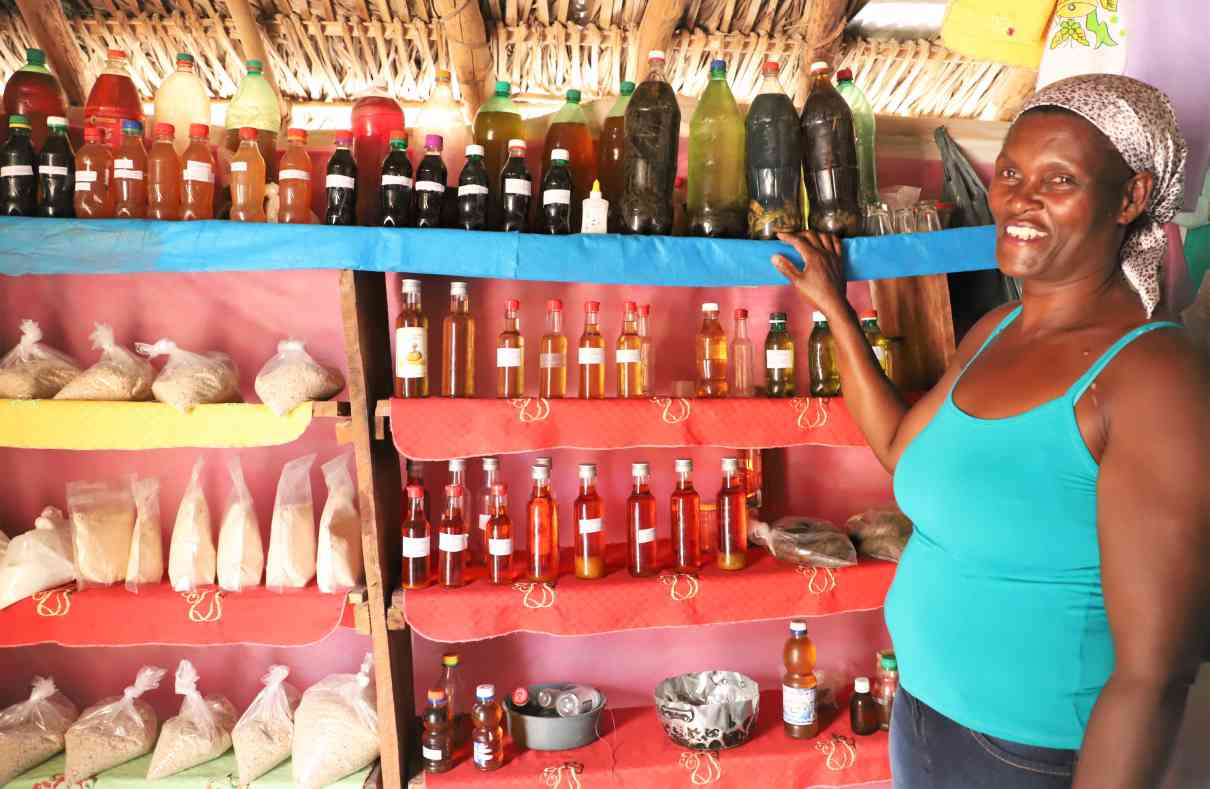
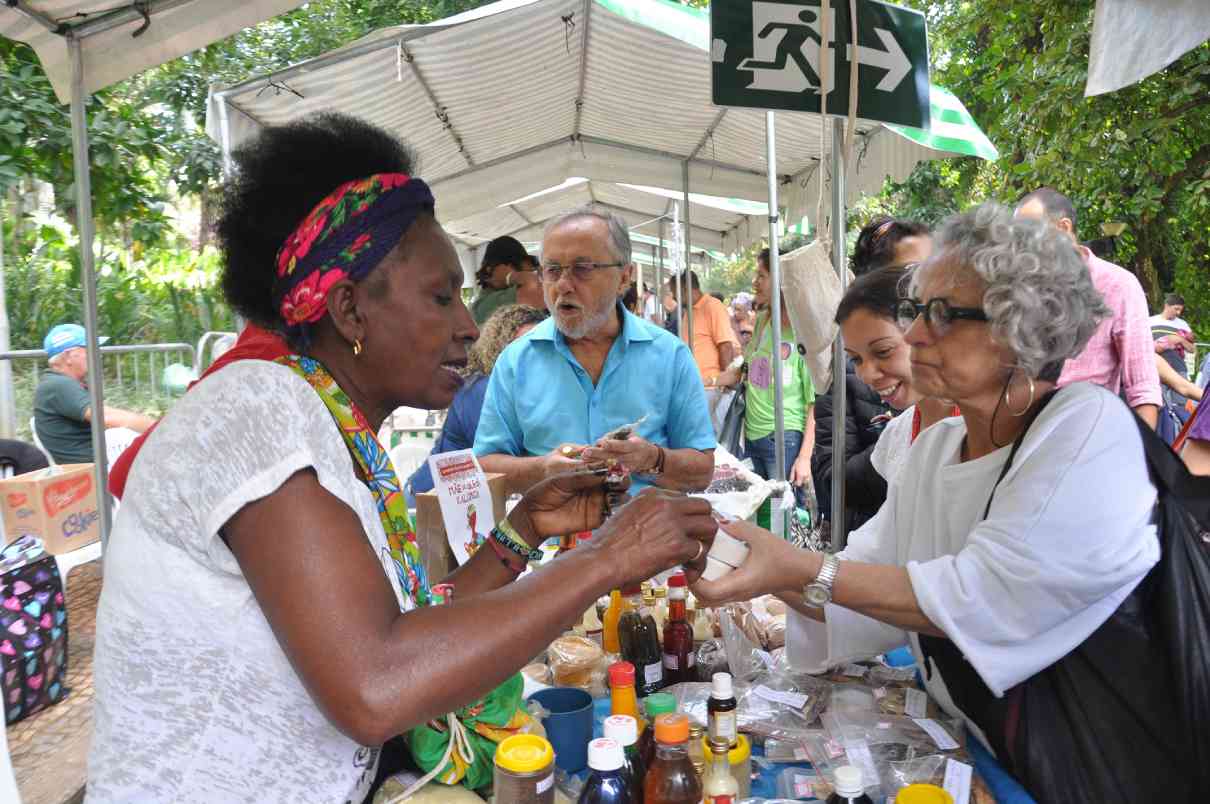
“We call the Cerrado a living pharmacy,” Lucely Pio, a Brazilian traditional healer, or raizeira in Portuguese, told Mongabay in an interview. “As I continue to study, I’ve learned to make my own formulas,” she says. “They are the medicines I use today. It is science, but science based on the knowledge of my grandmother.”
When we lose a medicinal plant or the traditional knowledge about it, we lose the practical application of a millennium of trial-and-error experimentation. “If you lose the environment,” Tavana said, “you lose the culture.”
These plants are more than ingredients in remedies, according to communities that spoke to Mongabay. They are woven into the spiritual and cultural fabric of many communities. In Ghana, for instance, researchers found that medicinal trees hold deep ties to tribal identity. Some town names and surnames derive from trees and plants.
“The loss of these species means the erasure of their traditional knowledge, spirituality and history,” said Bismark Ofosu-Bamfo, a lecturer in ecology at the University of Energy and Natural Resources in Ghana.
Preserving the pharmacy
Across the globe, communities are working to preserve both medicinal plants and the knowledge of how to use them.
In Nepal, the Himalayan Amchi Association is working with researchers to find substitutes for threatened species. They have identified more than 200 alternatives that could replace endangered plants in traditional formulas.
The association is also pushing for official government recognition of Sowa Rigpa as an authentic medicinal practice, a status it already holds in India, China, Bhutan and Mongolia. Recognition could help link the traditional practice with stable livelihoods, making it more attractive to younger generations.
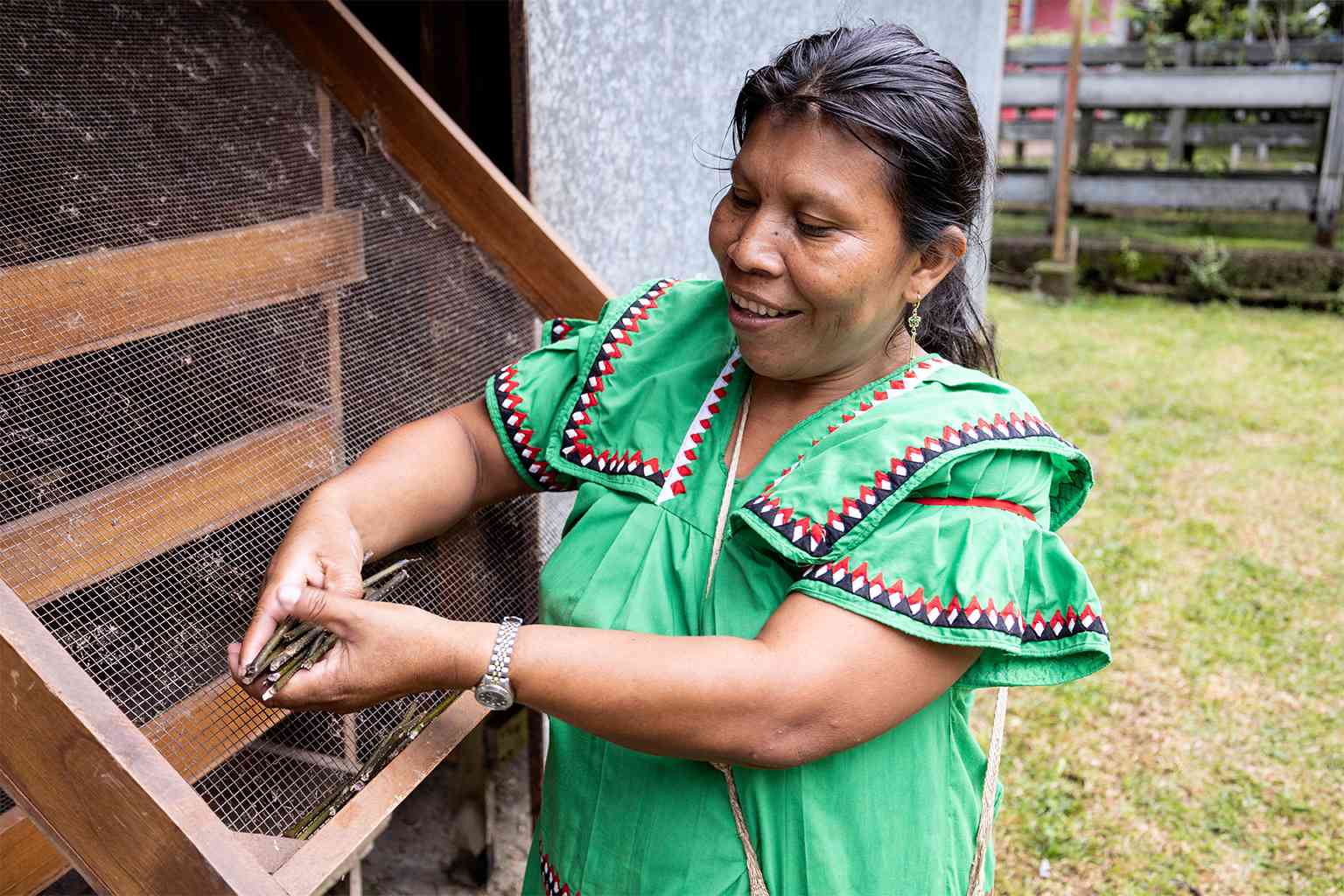
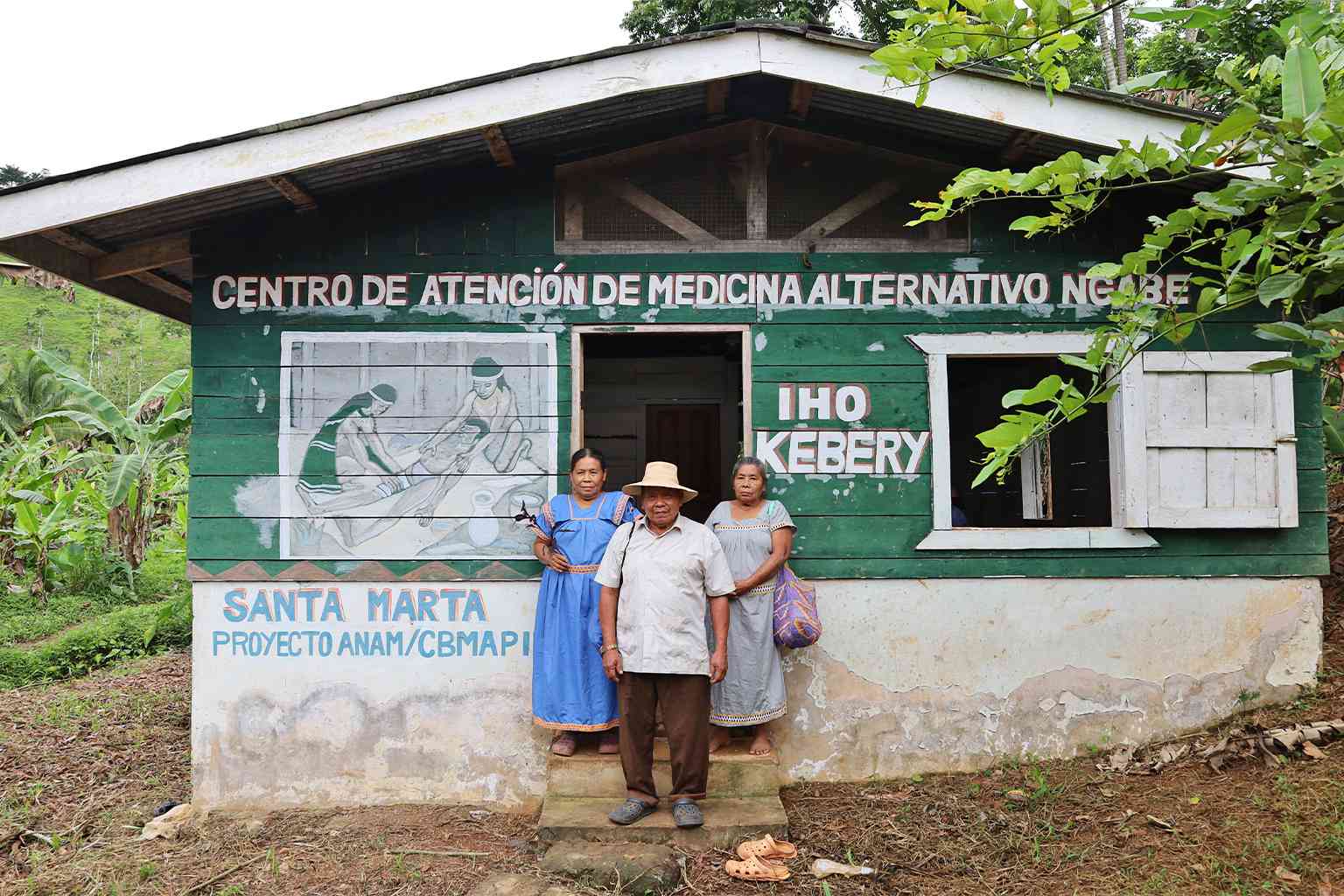
In Panama’s village of Santa Marta, the three local shamans worried that their knowledge would be lost to climate change, landslides and disinterested young people. They secured funding to build a health clinic and created a booklet documenting local medicinal plants, including their names, identification methods and healing properties.
“Knowing what plants to use to cure our patients’ illnesses is a gift we have,” said Viviana Montero, a 72-year-old shaman. “We inherited it from our ancestors and it’s part of the mystery of our people. … We have a responsibility to pass these traditions down.”
In Brazil’s Cerrado, one of the world’s most threatened savannas, healers and scholars worked together to create the Pharmacopoeia of People of the Cerrado, a text with harvesting and processing techniques for 90 traditional medicines. Healers are determined to preserve knowledge even as large-scale agriculture and cattle ranching barrel forward in one of the most threatened biomes in the world.
Mykhailenko and colleagues have developed a new framework to help identify which medicinal plant species are most vulnerable and should be prioritised for protection. They combine data on habitat loss, reproductive success, climate sensitivity and economic pressures from overharvesting.
The authors propose stricter regulations on harvesting and trade, growing more plants on farms rather than collecting them from the wild, creating seed banks to preserve plant genetics, using technology to track plants from forests to store shelves, and developing certification programs to ensure plants are collected sustainably. They also stress the importance of educating local communities and consumers about protecting these species.
Similarly, the Frontiers review calls for conservation methods that combine ecology, traditional knowledge and policy.
“Climate change is reshaping the ecology and pharmacological value of medicinal plants,” the authors state. “An interdisciplinary, coordinated response is urgently needed to ensure sustainable production and use. This will also require a paradigm shift in all aspects of ethnopharmacological research and development.”
Mingay Dakias, a traditional healer in the Philippines, told Mongabay his community harvests carefully, taking only what they need. They teach young people to recognise the plants and care for the forests that produce them. “Our tribes and cultural communities have ways of living and practicing medicine that are very sensitive, and we hope the government respects that. … These remedies are not only accessible and affordable but also very effective,” he said. “We believe our way still works.”
Whether it will still work for his grandchildren may depend on how the world responds to what is being lost.
This article was first published on Mongabay.
Source link
